Hybrid teams: the guide to leading them without losing culture

Hybrid working is here to stay. It is not a passing trend; it is the new normal.
Managing teams that combine on-site and remote working demands more than just good intentions. It calls for new skills, new tools, and, above all, a corporate culture that bridges the distance.
Is your team dispersed while your culture remains united? That is the question you should be asking yourself today.
The real challenges of hybrid working
Before looking for solutions, we need to address the challenges:
- Disparities in experience between those in the office and those working remotely.
- Fragmented communication that gets lost across channels and time zones.
- A diminished sense of belonging when the team rarely sees each other face-to-face.
- Unconscious bias towards those who are physically present.
- Complex coordination of schedules and meetings.
- Technological infrastructure that isn't always up to standard.
Strategies for leading hybrid teams
The good news: it can be managed effectively. Here are the key strategies.
- Set clear rules. When, where, and how each person works. No ambiguity.
- Prioritise inclusive communication. Everyone must have an equal voice, wherever they are.
- Invest in the right technology. Video conferencing, project management, asynchronous communication.
- Adapt your processes. What worked in the office doesn’t always work remotely.
- Nurture human connection. Create moments, both in-person and virtual, for the team to truly get to know one another.
"The success of hybrid teams does not depend solely on technology, but primarily on a culture that values flexibility, trust, and inclusion."
Tools that make all the difference
Without the right tools, even the best strategy remains on paper:
- Collaboration: Microsoft Teams, Slack, Google Workspace.
- Project management: Asana, Trello, Monday.com.
- Video conferencing: Zoom, Google Meet, Microsoft Teams.
- Virtual whiteboards: Miro, Mural, Jamboard.
- Shared documentation: Notion, Confluence, Google Docs.
- Schedule coordination: Calendly, Doodle, Google Calendar.
Best practices for hybrid meetings
Meetings are the major Achilles' heel of the hybrid model. These practices will help:
- Think "remote-first". Design the meeting for remote participants, not the other way around.
- Equip meeting rooms properly. High-quality microphones, cameras, and screens are not a luxury.
- Appoint a facilitator. Someone must ensure that everyone participates equally.
- Share materials beforehand. Agendas and documents should always be sent in advance.
- Rotate meeting times. Don't always penalise the same time zones.
- Record and document. Ensure anyone unable to attend isn't left out.
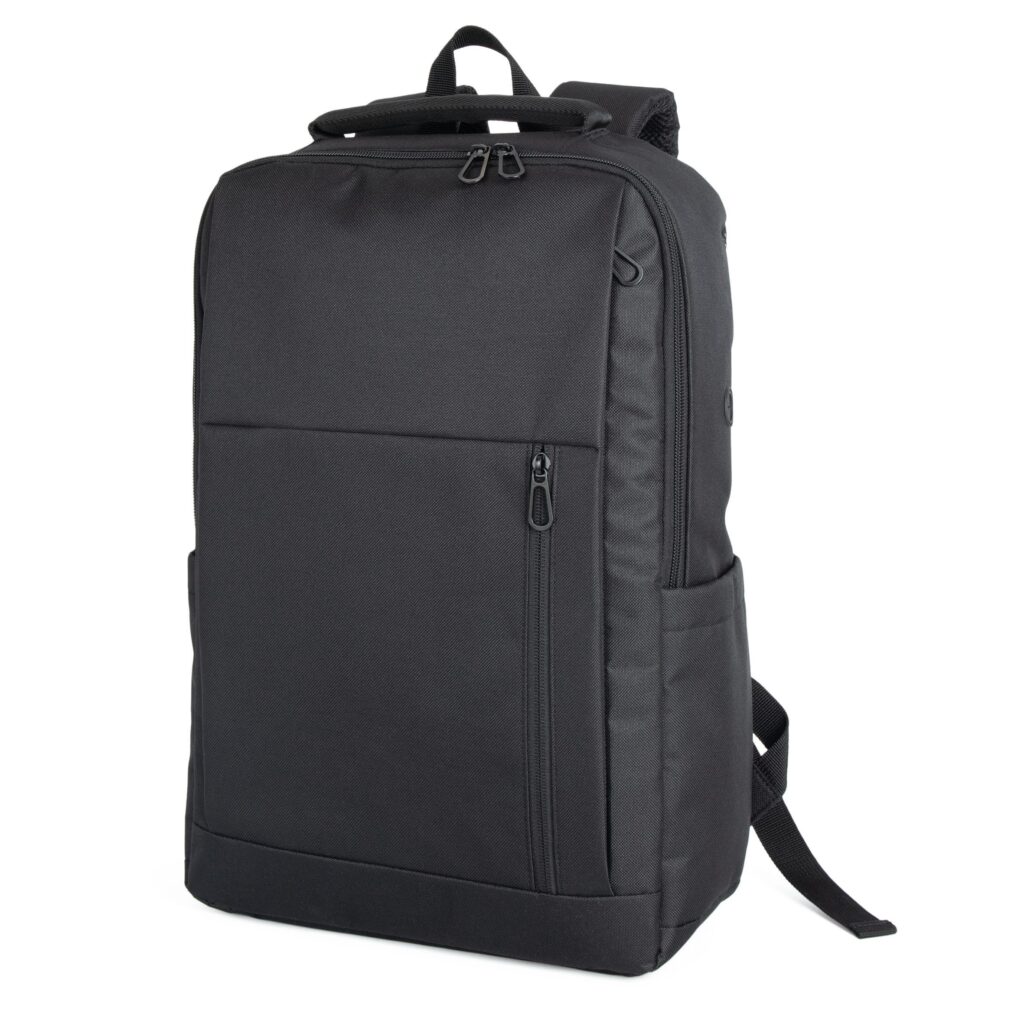
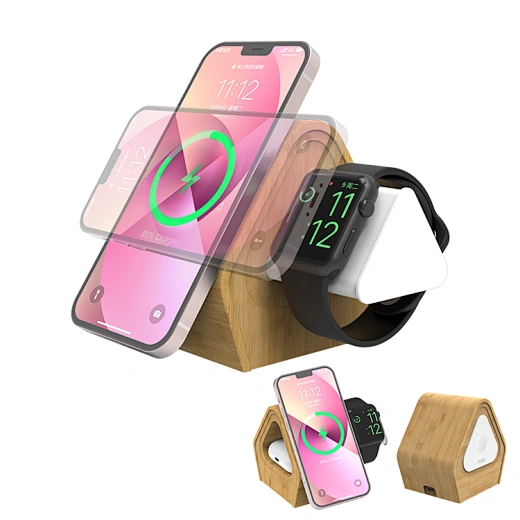
Beyond processes and technology, there is one tangible touch that truly works: receiving something physical at home. A bespoke welcome pack with branded products, a desk kit, or a corporate gift for a key milestone. We take care of production and direct home delivery, even if your team is spread across five different cities.
Conclusion
Managing hybrid teams is a challenge. Done right, however, it combines the best of both worlds: flexibility without sacrificing productivity or cohesion.
At 34Perks, we create bespoke merchandise and personalised packs for hybrid teams: welcome packs, desk kits, and custom packaging, complete with production and individual home delivery. Let us know how many people are in your team and we’ll send you a tailored proposal.
Products that fit this topic
Starting ideas: every product is customised with your brand.